
Written by Chris Roulstone, Director, Roulstone Renovations (QBCC Licence No. 1314759)
Renovate if your home’s structure is sound and reworking or extending it can give you the space you need. Consider a knockdown rebuild when serious damage or fixed design limits make keeping the house poor value.
Demolition is a big step, and it is not always the right one for a Redlands home. A renovation keeps the parts of the house that still work, while a rebuild starts again on the same land.
This guide compares knockdown rebuild vs renovation for Redlands homeowners. It covers what each option involves, what your block allows, and how to compare the full cost, so you can see which path suits your home and budget.
A renovation keeps part of your existing home and changes it. The work can include reworking rooms, replacing the kitchen and bathrooms, upgrading electrical and plumbing, opening up living areas, or adding an extension. A full home renovation can change the house substantially while leaving much of the structure in place.
Every renovation starts with an assessment of the house and a written brief. Next come design, engineering where needed, product selections, approvals, and pricing.
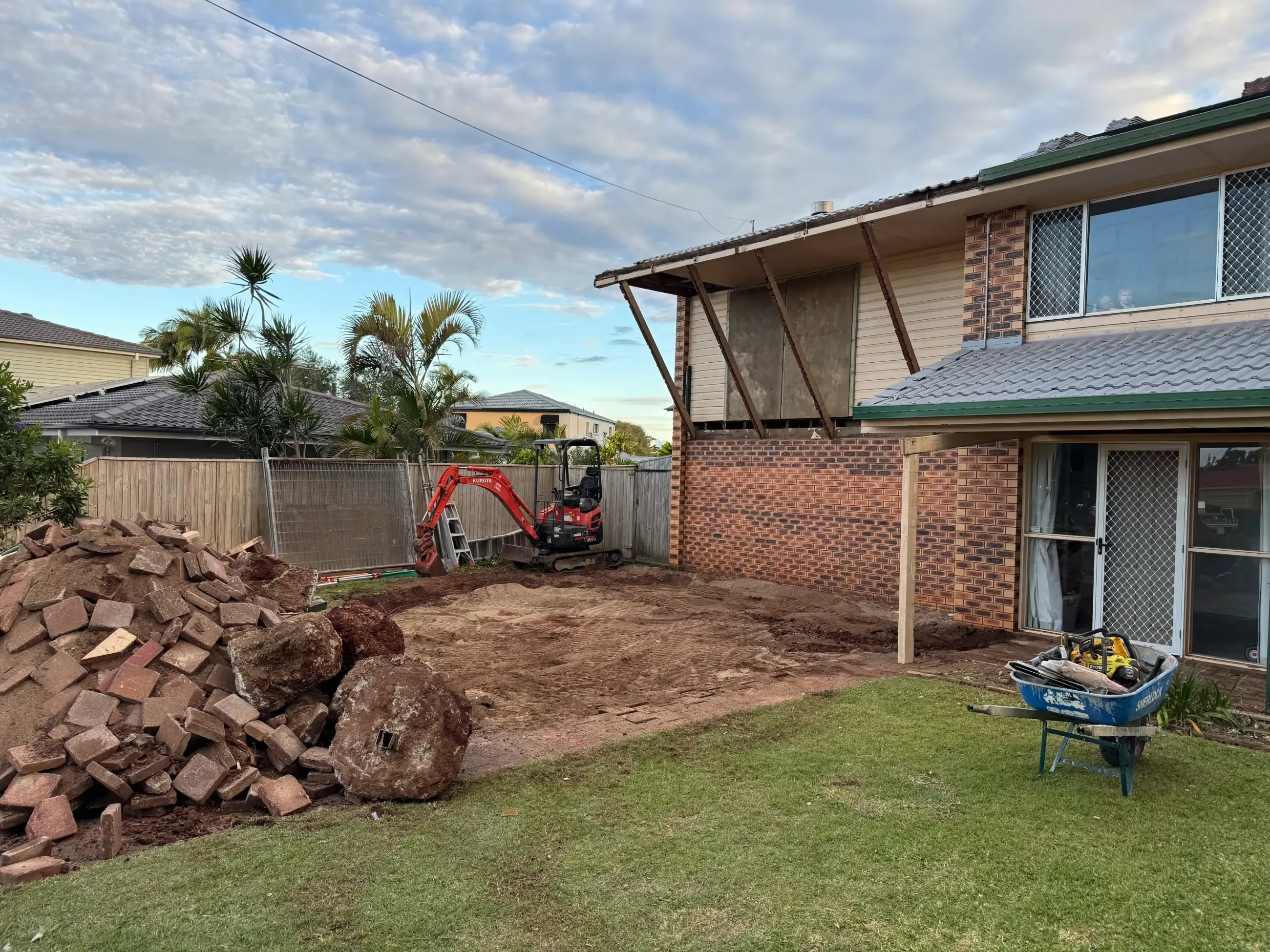
Construction then moves through selective demolition (removing only the parts being changed), repairs, structural changes, and fit-out, which is the installation of cabinetry, fixtures, and finishes. The new work has to be joined carefully to the parts of the house you keep.
A knockdown rebuild removes the existing house and builds a new one on the same land. This gives you a fresh floor plan and building form, within the limits of your block and council rules.
Before demolition starts, the replacement design, approval pathway, site conditions, and full budget need to be settled. The project then moves through demolition, site preparation, foundations, construction, and final inspections.
Renovation is worth considering when the main issues are layout, space, or outdated rooms. The following situations can point towards improving the home you have rather than replacing it.
A dated kitchen or awkward layout does not mean the whole house has to go. What matters is whether the problems can be fixed and the home you want can be reached without starting again.
Take a house with enough bedrooms that needs a better kitchen, more storage, and a stronger link to the backyard. Reworking those areas can deliver what the family needs without replacing rooms that already work.
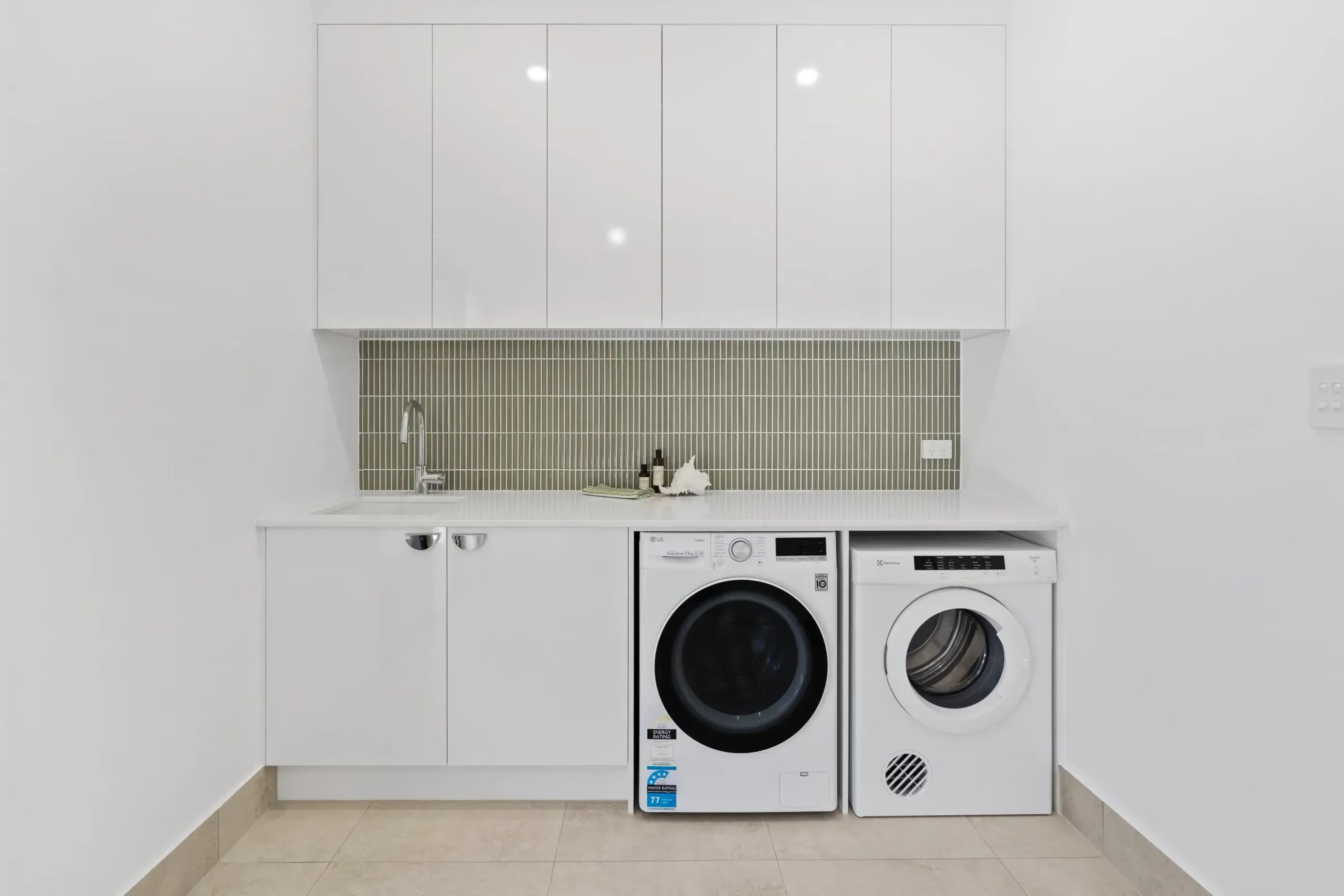
Our full home renovations bring those changes together as one project, so the layout, services, and finishes work as a whole.
If the problem is space, test an extension before you commit to demolition. A growing family may need another bedroom, a study, or a bigger living area.
A home extension can deliver that space, but the design has to consider the whole house. A new room will not help much if the hallway becomes awkward, the original rooms lose daylight, or the addition feels cut off from the rest of the home.
Timber floors, established proportions, a familiar street presence, or well-built parts of the house can all have value beyond their replacement cost. Renovating gives you the opportunity to retain those features while improving the spaces around them.
You do not have to keep everything. The assessment should identify which parts are worth retaining and which need repair or replacement.
A rebuild deserves serious consideration when keeping the house costs more than it returns. That can happen when:
These are reasons to investigate, not automatic reasons to demolish. An old, dated look tells you little about the structure.
A house that looks tidy can also hide defects that change the comparison. Have the condition assessed, then compare renovation and rebuild plans that meet the same needs.
Before choosing either option, check what your block allows and which approvals the work will need. Demolishing the house does not remove setbacks, drainage requirements or restrictions around infrastructure. Council referral requirements can also apply to work in flood hazard areas or on a local heritage place.
If the house sits in a useful position on the block, find out what you can retain before assuming a replacement can use the same footprint. Keeping the home does not automatically give you permission to extend it, but it is worth checking if changes within the existing building could meet your needs with less work.
An older house is not automatically heritage-listed. Check the property’s status through Council’s local heritage information before planning demolition or major alterations.
Both renovation and rebuilding need an approval assessment suited to the proposal. Council’s building referral guidance explains the site matters to discuss with your building certifier.
A knockdown rebuild includes demolition, site preparation, and the replacement home. Renovation costs depend on what you keep, what needs repairing, and how much you change. Neither option is automatically cheaper.
A full renovation of a typical three- to four-bedroom Redlands home usually falls between $250,000 and $450,000.
Compare quotes for a similar size, finish, and layout, with these costs included:
Check exclusions and allowances before you compare totals. A fixed-price contract covers the agreed work, but variations can still arise. The QBCC’s guidance on contract variations explains how changes should be documented.
Roulstone confirms the scope in writing before construction starts, so you know what the price covers.
A knockdown rebuild requires you to move out. Your accommodation budget should cover the period from leaving the property until the new home is ready to occupy, including demolition and construction.
With renovation, staying may be possible during limited work that can be safely separated from occupied rooms. For a full home renovation involving major structural changes, loss of bathrooms or service interruptions, moving out may be the more practical arrangement.
Neither option is always quicker. A focused renovation may involve less work, but a complex renovation and extension can take substantial time. Rebuilding adds demolition and complete construction, while both options need time for design, documentation, approvals and scheduling.
Compare the full programme from preparation to handover. Our guide to how long a home renovation takes explains the stages to allow for.
Before choosing a path, work through five questions.
Consider how long you intend to stay, too. Spending more may be worthwhile if it delivers a home that suits your family for years, but neither renovating nor rebuilding guarantees a particular return when you sell.
It depends on the home’s condition and how much you want to change. Retaining useful structure can reduce the amount of building work, but extensive repairs and major alterations can make renovation expensive. Compare complete project costs, including demolition, external works and accommodation, rather than the construction quote alone.
An extension may be suitable if the existing home works well but needs more space. Check whether the block can accommodate the addition and how it will connect to the existing rooms. Setbacks, drainage, infrastructure, and other site requirements can affect the design.
You may be able to stay during limited work that is safely separated from the rooms you use. A full renovation involving structural changes or interruptions to bathrooms, power or water may require you to move out. Agree on living arrangements with your builder before construction starts.
The approvals depend on the work and the property. Building approval, planning approval, plumbing approval, or referral requirements may apply, and these are separate checks. Have your builder and certifier confirm the pathway before work begins.
Rebuilding deserves consideration when extensive damage or major design limitations make renovating poor value. If achieving your plans means replacing most of the house anyway, compare the renovation with a complete rebuild. Base the decision on investigations and comparable plans, rather than the home’s age or appearance alone.
For a structurally sound Redlands home, renovation is a sensible first option to consider. Reworking the layout or adding an extension may give you the space you need while keeping the parts of the house that still work.
The decision comes down to your home’s condition, what your block allows, and the full cost of each option. A rebuild deserves consideration when renovation cannot achieve the result you need at a reasonable cost.
If you are weighing up knockdown rebuild vs renovation in Redlands, talk to Roulstone about your home. Our team can assess its renovation potential and help you plan the next steps.

